Why Does My Air Conditioner Struggle When Katy Heat Index Exceeds 105 Degrees?
When Katy's heat index climbs above 105°F, your air conditioner struggles because it's working against extreme temperature differentials and crushing humidity levels that can overwhelm even well-maintained systems. The combination of 95°F+ air temperatures and 75-85% humidity creates cooling loads that push most residential AC units to their operational limits.
Understanding Heat Index Impact on AC Performance
The heat index measures how hot it actually feels when humidity combines with air temperature. In Katy, this frequently exceeds 105°F from June through September, creating perfect storm conditions for AC stress. Your system must work exponentially harder to remove both sensible heat (temperature) and latent heat (moisture) from your home's air.
Most residential air conditioning systems are designed to maintain a 20-degree temperature differential between indoor and outdoor air. When outdoor temperatures soar to 95°F with high humidity, your AC may struggle to keep indoor temperatures below 75°F, especially during peak afternoon hours.
Common Signs Your AC Is Struggling in Extreme Heat
Several warning signs indicate your air conditioner struggle when Katy heat index reaches dangerous levels:
- Constantly running without reaching set temperature
- Warm air blowing from vents
- Ice formation on refrigerant lines or evaporator coils
- Unusual noises or vibrations from the outdoor unit
- Dramatically increased energy bills
- Poor humidity control despite continuous operation
Why Humidity Makes Everything Worse
Katy's year-round humidity averaging 75-85% significantly impacts AC performance. High humidity means your system must remove more moisture from the air before it can effectively cool your home. This process requires additional energy and time, explaining why your air conditioner struggle becomes more pronounced when the heat index exceeds 105 degrees.
In neighborhoods like Cinco Ranch and Cross Creek Ranch, homeowners often notice their AC units cycling more frequently during humid heat waves. The evaporator coil works overtime to condense moisture, potentially leading to ice formation if airflow becomes restricted.
System Sizing and Age Factors
Undersized air conditioning systems are particularly vulnerable when Katy's heat index soars. A unit that adequately cooled your home during milder weather may prove insufficient during extreme heat events. Additionally, aging systems lose efficiency over time, making them more susceptible to performance issues during temperature extremes.
Units over 10-15 years old often struggle more noticeably when outdoor conditions become severe. Worn components, reduced refrigerant levels, and accumulated wear all contribute to diminished cooling capacity precisely when you need it most.
Protecting Your AC During Extreme Heat
Several strategies can help minimize air conditioner struggle during Katy's most challenging weather:
- Set thermostats to 78-80°F during peak heat hours
- Use ceiling fans to improve air circulation
- Close blinds and curtains during daylight hours
- Avoid using heat-generating appliances during peak afternoon temperatures
- Ensure outdoor unit has adequate clearance and shade
- Schedule preventive maintenance before summer heat arrives
When to Call Professional Help
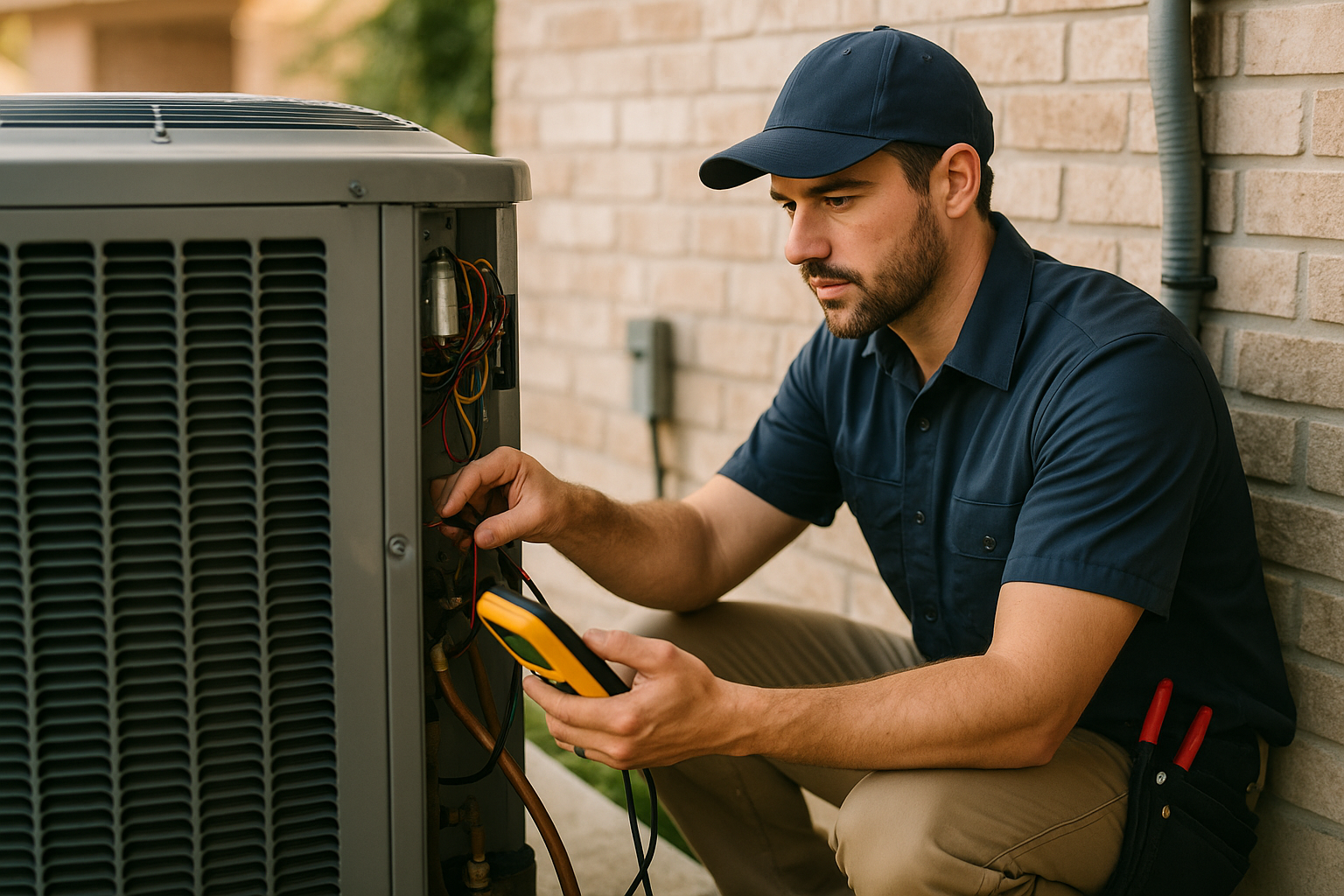
If your air conditioner struggle persists despite basic troubleshooting, professional intervention becomes necessary. Qualified HVAC technicians can diagnose refrigerant issues, electrical problems, or mechanical failures that worsen during extreme heat conditions.
Don't wait until complete system failure occurs. Early intervention during heat index spikes can prevent costly emergency repairs and ensure your family's comfort and safety during Katy's most challenging summer weather.
Frequently Asked Questions
- Is it normal for my AC to run constantly when heat index exceeds 105°F?
- Yes, continuous operation is normal during extreme heat. However, if your AC runs constantly without cooling your home adequately, professional inspection is recommended.
- Should I lower my thermostat when my AC struggles in extreme heat?
- No, lowering the thermostat forces your system to work harder. Instead, raise it to 78-80°F and use fans for additional comfort.
- Can high humidity damage my air conditioning system?
- Excessive humidity can cause ice formation on coils and strain components. Proper maintenance and adequate system sizing help prevent humidity-related damage.
- How often should I change filters during Katy's extreme heat periods?
- Check filters monthly during peak summer. Dirty filters restrict airflow, making your system work harder during high heat index conditions.
- When should I consider upgrading my AC system?
- Consider upgrading if your system is over 15 years old, requires frequent repairs, or consistently struggles during normal Katy summer weather.
About the author: Matt Fowkes, Founder. Matt Fowkes founded the operator to connect homeowners with vetted local service professionals. He's spent over a decade studying how online directories and matching services work — what makes them trustworthy, what makes them fast, and why most fail homeowners.
More hvac guides for Katy
Need hvac help in Katy?
Get matched with a vetted local pro — free, no obligation.